
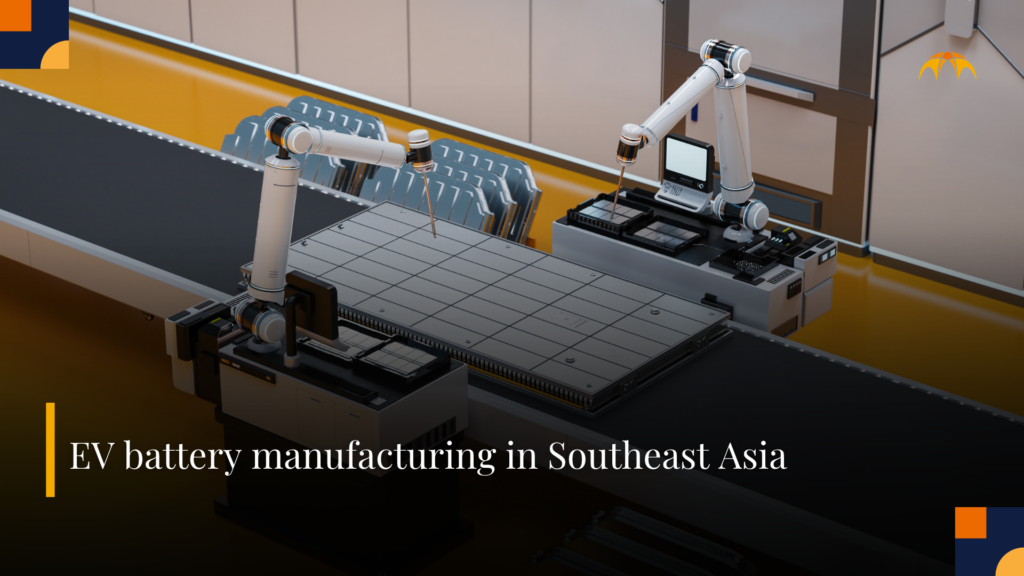
EV battery manufacturing is gaining momentum across Southeast Asia as investment expands across the supply chain.
Indonesia is developing upstream nickel processing and cell production while Thailand is strengthening its position in battery assembly through its established automotive base. Vietnam’s growing domestic EV market presents opportunities for suppliers with access to local manufacturers. These distinct market dynamics make supply chain positioning and commercial feasibility central to regional expansion decisions.
Why EV battery manufacturing is expanding in Southeast Asia
Regional policy increasingly favours local EV production. Investment-linked duty waivers in several markets expired at the end of 2025. Electric car imports exceeded 300 000 units in 2025 and more than doubled year on year. The IEA reports that Chinese-owned BEV plants operated at around 20% utilisation in Thailand and below 15% in Indonesia. New investment therefore depends on credible offtake commitments and realistic production volumes.
EV battery manufacturing across three Southeast Asian markets
Indonesia battery manufacturing: nickel supply and cell capacity
The USD 5.9 billion CATL-linked battery project in Karawang began trial production in August 2026. Indonesia also reduced its 2026 nickel ore quota to around 250–260 million tonnes. This change adds uncertainty to feedstock availability and pricing. State-linked partners can facilitate market access while ore allocation remains a separate commercial risk. Strategic implication: verify ore supply. Assess processing economics and partner control before committing to cell-scale investment.
Thailand EV manufacturing: OEM demand and export economics
Thailand has recorded USD 4.1 billion in EV supply-chain investment commitments. These commitments include battery and energy storage projects. Local manufacturing and export delivery carry increasing weight in its policy framework. Under Thailand’s programme each exported EV counts as 1.5 vehicles toward production commitments. Pack and component suppliers should base expansion plans on confirmed OEM programmes. Strategic implication: verify awarded volumes. Confirm local-content eligibility and export schedules before sizing a facility.
→ Read why Vietnam and Thailand are not competing for the same manufacturers.
Vietnam EV market: battery supplier access and customer concentration
VinFast sold 115,916 EVs in the first half of 2026 with year-on-year growth of 72%. Its scale supports demand for battery systems and components. Purchasing power remains concentrated around a major domestic buyer. Suppliers face meaningful customer-dependence risk. Strategic implication: establish technical qualification and procurement ownership. Review pricing terms and contract duration before estimating accessible demand.
→ See how Arches Custom Research and Consulting supports market entry decisions.
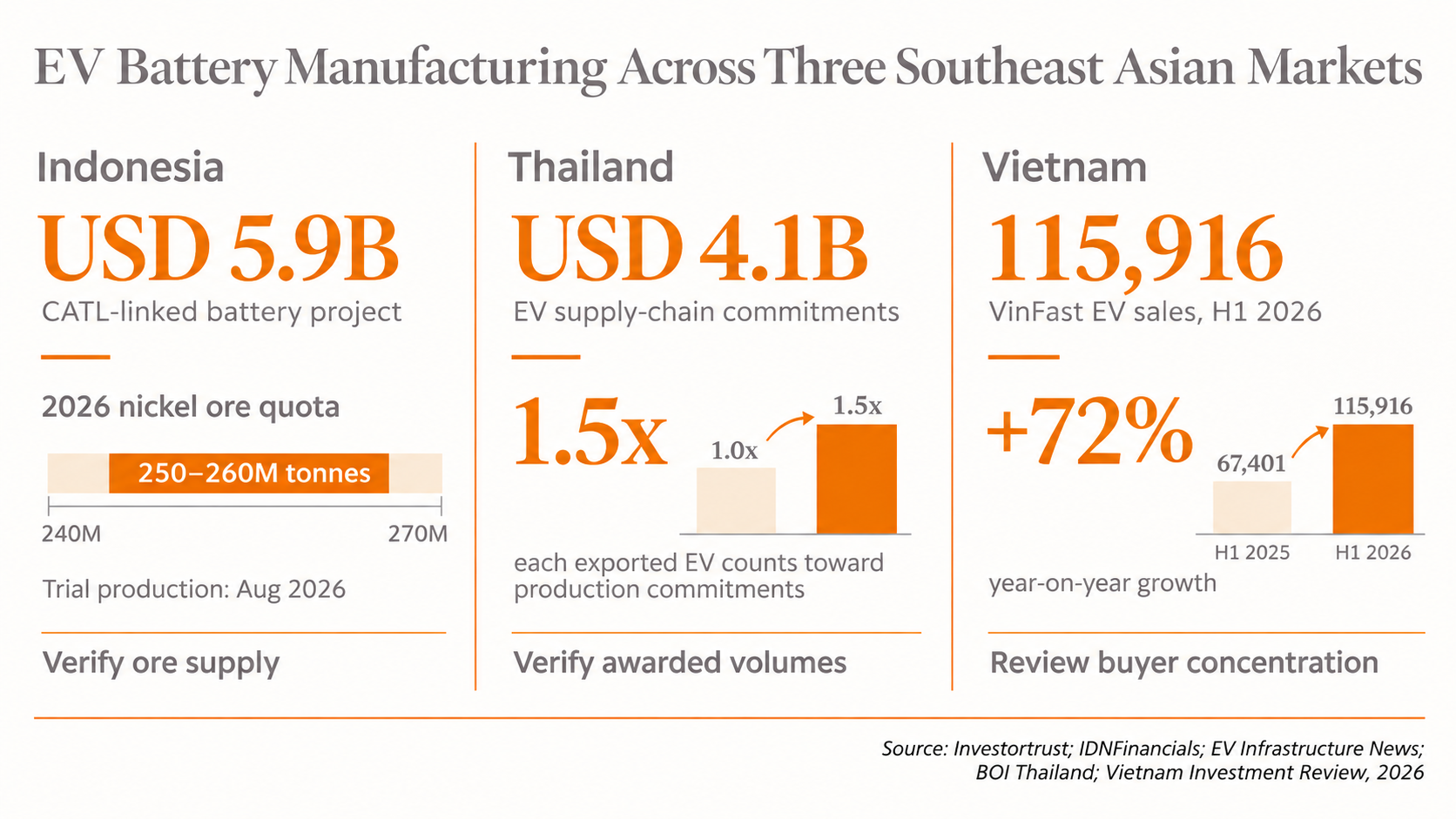
Figure 1: EV battery manufacturing across three Southeast Asian markets
Five investment checks for battery manufacturing location selection
Capacity announcements and incentive packages cannot establish commercial demand on their own. The following checks identify the evidence required for a sound location decision and the practitioners best placed to validate it.
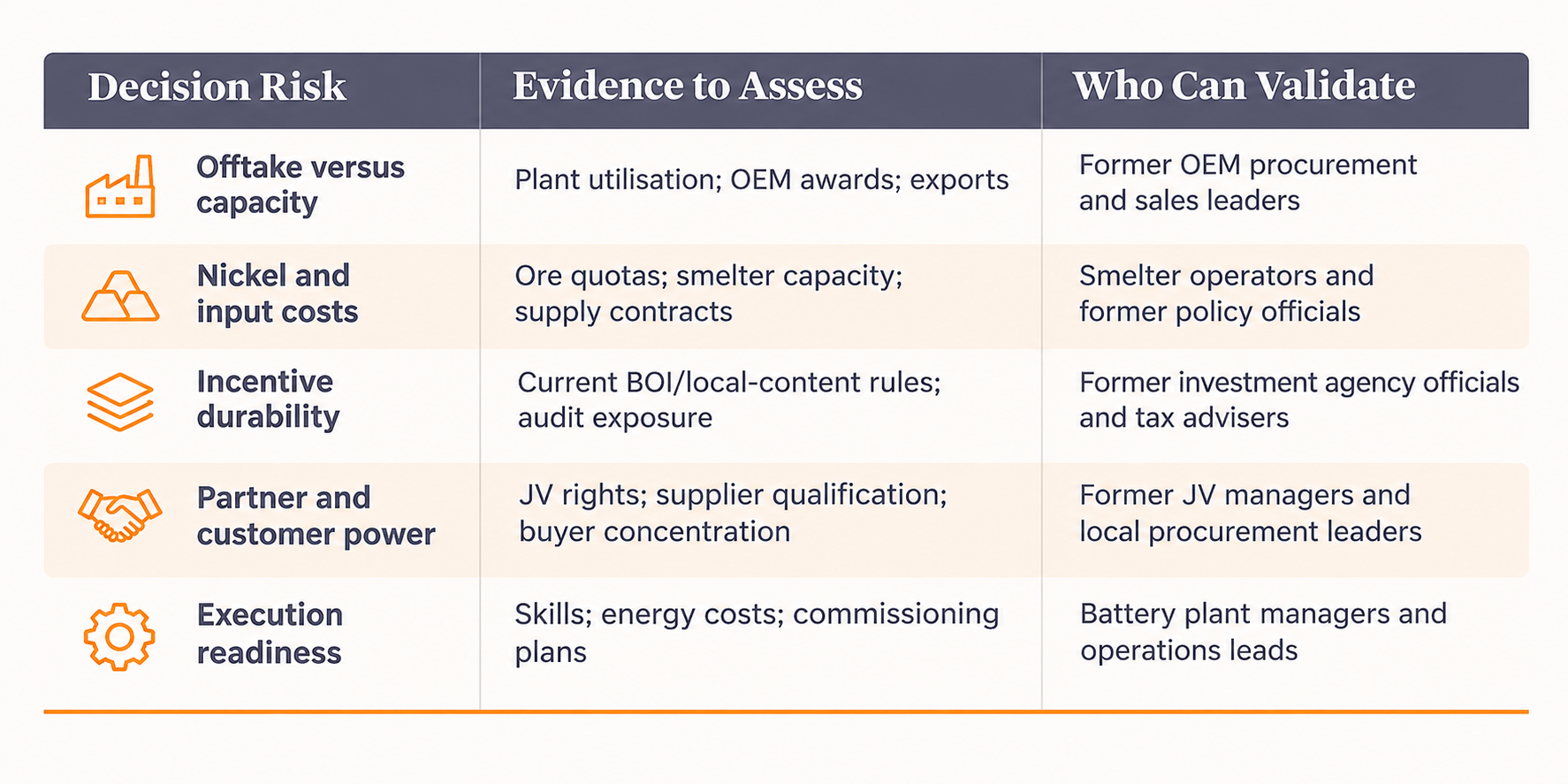
Table 1: Five investment checks for battery manufacturing location selection
A recent former procurement head at a Chinese OEM plant in Thailand can distinguish a supplier nomination from a firm volume commitment.
→ See how leading consulting firms find the right industry experts in Asia.
→ Read how to run a feasibility study for Asia Pacific market entry.
How expert insights strengthen a battery manufacturing decision
Factory announcements reveal little about actual orders or supplier access. Arches draws on its network of 200,000+ experts and local market knowledge to connect battery manufacturers with relevant specialists across Southeast Asia.
Access former OEM procurement heads to verify purchase commitments or plant operators to assess production costs and supply constraints. Get targeted insights to make faster location and partner selection decisions.
→ Contact Arches to connect with the right experts for your next EV manufacturing project.
FAQ
Which country leads EV battery manufacturing in Southeast Asia?
Each country serves a different position in the value chain. Indonesia offers nickel-linked upstream production and cell manufacturing. Thailand connects suppliers to OEM pack and assembly programmes. Vietnam provides access to a major domestic EV buyer. The right location follows the investor’s target customer and operating model.
What should investors validate before entering battery manufacturing?
Prioritise credible offtake commitments. Verify raw-material security and policy durability. Assess partner capability and execution readiness.
Follow Arches on LinkedIn to get the latest updates from us.
Subscribe to Arches’ monthly newsletter for grounded perspectives from experts across Asia and beyond, where global decisions meet local insights.