Turkey ranked among the top 10 new foreign direct investment sources into Vietnam in 2024, with USD 1.74B in cumulative registered capital across 43 projects. The B&Company Enterprise Database (2024), however, counts just 12 Turkish enterprises operating in the country.
That gap between registered capital and operating presence matters for any manufacturer weighing business expansion into the Southeast Asia market. Investment totals show less about how many companies have built a working business on the ground.
Inside Turkey’s foreign direct investment in the Vietnam market
Two projects account for most of Turkey’s reported capital. IC İçtaş won a USD 1.49B contract to build the passenger terminal at Long Thanh International Airport, and Hayat Kimya opened a fully localized USD 250M manufacturing complex at Becamex Binh Phuoc Industrial Park.
Below these two, the picture changes. Most Turkish industrial players enter through strategic capital partnerships or plug-and-play assembly models, typically in the USD 500K to 5M range. These are measured first steps, far smaller than the total suggests.
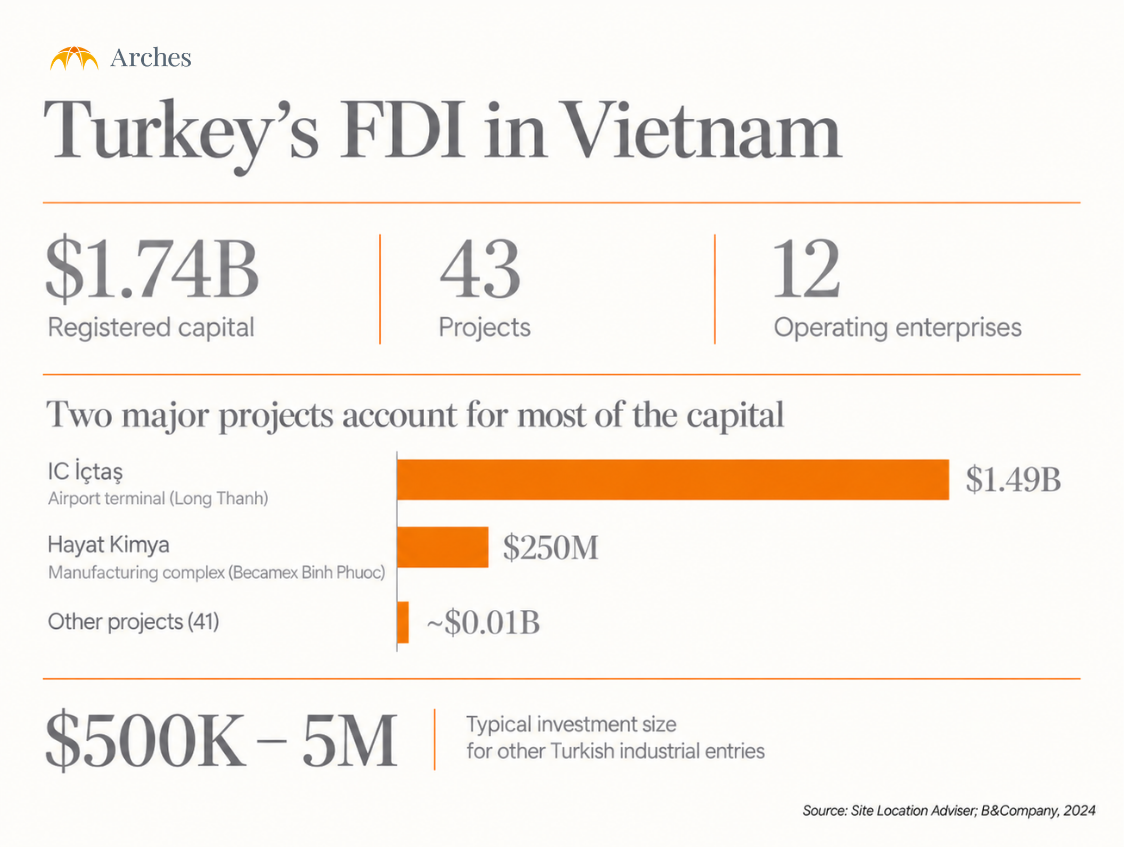
Figure 1: Turkey’s FDI footprint in Vietnam at a glance
Turkey is a manufacturing hub for Europe, with strength in automotive components, textiles, electronics and defense. As European demand slows, Turkish manufacturers are looking for growth elsewhere, but few have turned that attention to Vietnam. Early signals are emerging, such as Altınay Elektromobilite’s partnership with VinES on energy storage for Vietnam’s grid.
What FDI figures leave out about the Vietnam market
FDI statistics, trade data and industry reports give a useful first view of the Vietnam market and its competitive landscape. They leave open the questions that decide whether entry works: who the customers are, which suppliers can deliver, what operating costs look like and how regulation plays out in practice.
For a Turkish manufacturer, the useful question is what needs to be proven before Vietnam is worth pursuing, and which route will actually get the company in. The information gaps that could change that answer need to be identified before any larger budget is committed.
→ Three gaps foreign companies face when setting up a business in Vietnam
Building a phased go-to-market strategy for Vietnam
Evidence should match the decision stage. Funding a comprehensive study before the business case is clear commits budget to questions that may not matter yet.
Start with existing market insight
Review FDI data, market reports, competitor activity and regulation to build an initial market picture. Then list the assumptions about demand, suppliers, competition and entry feasibility that could change the investment decision.
Pressure test key assumptions with industry experts
Experienced local operators and industry specialists can confirm or challenge those assumptions on market dynamics, operating realities and entry barriers. Their firsthand perspective answers what public data cannot.
Scale business expansion once the case is clear
Broader customer interviews, partner screening or operational assessments come in only when critical uncertainties remain. Effort and budget then scale with the evidence the next investment decision requires.
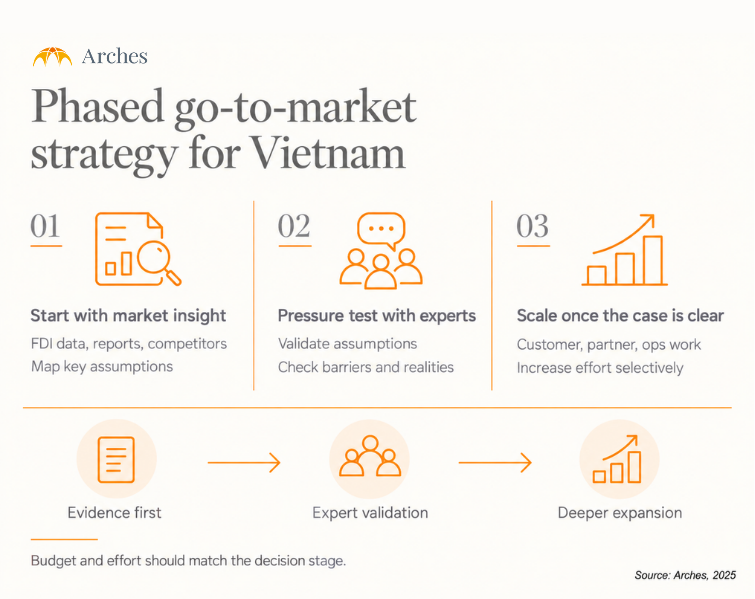
Figure 2: A phased approach to market entry decisions
→ Explore how expert consultations help strategy teams validate market assumptions beyond public data.
A case study in market entry validation
An energy sector client evaluating the US battery energy storage (BESS) and electrical components market needed to test specific assumptions before committing to a larger study.
- Challenge: validate assumptions on market demand, BESS adoption, component supply chains and regulation.
- Method: two targeted expert interviews conducted over two weeks.
- Outcome: leadership saw where deeper investigation was warranted and where further spend could wait.
The same logic applies to Vietnam. A few well-chosen conversations can show whether a market deserves a full study.
Related case: Valid Thai market insights, no business trip needed
How Arches supports business expansion in the Vietnam market
Arches Custom Research and Consulting advises manufacturers and strategy teams on market entry, combining market insight, expert perspectives and local networks around each commercial decision. Through custom expert recruitment, we connect clients with hard-to-reach practitioners who can validate assumptions on demand, supply chains, competition and operating conditions.
With a team spanning 15+ nationalities, we support cross-border projects across Vietnam, APAC and other international markets.
→ Expert network pricing explained: is Arches expensive?
Partner with Arches on cross-border expansion into Vietnam
Turkey’s story shows the role that trade promotion agencies, industry associations and cross-border advisors can play in connecting foreign manufacturers with the right local opportunities.
Through our Country Promotion Partner (CPP) initiative, Arches works with these partners to identify opportunities, share market insight and support companies entering Vietnam.
We’re calling for Country Partners to help share Vietnam’s potential with foreign business communities – helping them explore, enter, and succeed in the market.
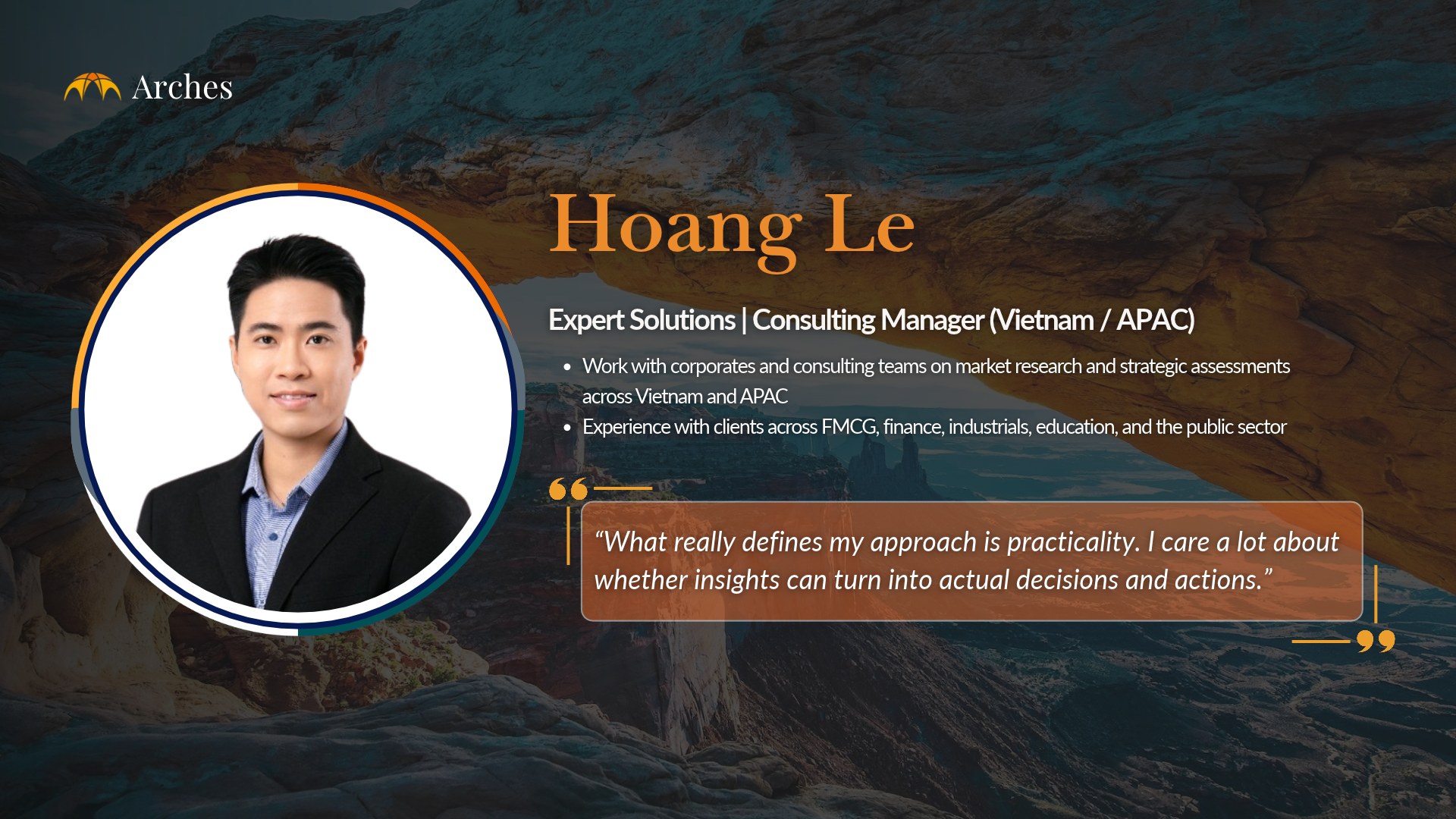
→ If facilitating international growth is part of your mission, connect with Hoang Le, Consulting Manager for Vietnam and APAC to explore a partnership.

FAQs
1. What should manufacturers assess before entering the Vietnam market?
Start with demand, competition, regulation and operating costs, then validate the assumptions that could change the decision with local experts and operators. This allows manufacturers to address critical uncertainties before committing to investment.
2. How can companies build a go-to-market strategy for the Southeast Asia market?
Map the market with existing data, test key assumptions with experts and expand commitment as evidence builds. Targeted expert consultations show whether deeper investigation or a local partner is needed before entry.
Follow Arches on LinkedIn to get the latest updates from us.
Subscribe to Arches’ monthly newsletter for grounded perspectives from experts across Asia and beyond, where global decisions meet local insights.