


Asia’s healthcare sector faces mounting pressure from rising medical costs and ageing populations. Medical costs are projected to increase by 9.7% in 2027 as demographic shifts reshape care demand and drug access challenges persist in Japan. Across Asia the commercial outlook increasingly depends on how pricing policies and care delivery systems shape access to patients.
This outlook examines five shifts shaping Asia’s healthcare sector in 2027 and their implications for strategic decisions. For additional context, see our 2026 healthcare outlook for Asia.
Five shifts reshaping Asia’s healthcare sector in 2027
1. Healthcare costs intensify affordability pressure
Medical cost pressures vary sharply across the region. Aon forecasts medical cost growth of 3.1% in Japan. The forecast reaches 10.5% in South Korea and 14.7% in Singapore. A separate WTW survey projects 12.6% for Asia Pacific.
In Singapore rising medical costs could strengthen the business case for solutions that reduce hospital utilisation and treatment expenses. Suppliers that can quantify these savings against existing care pathways may gain an advantage in payer negotiations.
2. An aging population accelerates chronic and home care demand
South Korea’s older population is projected to reach 30% by 2036. Japan’s demographic profile reinforces demand for chronic-disease management and remote monitoring and long-term care. Ageing alone cannot establish purchasing demand.
Ageing-related demand will create different opportunities depending on how care is funded. In Japan and South Korea access to reimbursement and established referral networks could determine which home-care models achieve commercial scale.
3. Japan healthcare pricing reshapes pharmaceutical launch strategy
Launch prices in Japan have been reported at roughly 40% of US levels. US most-favoured-nation pricing adds uncertainty to launch decisions. Patient demand alone cannot establish an attractive launch opportunity.
Japan’s pricing environment could affect the economics of a broader global launch strategy. For multinational drugmakers the critical consideration is whether an early Japan launch creates pricing exposure in higher-value markets.
→ Explore how expert calls help pharma teams test launch and pricing assumptions in Japan.
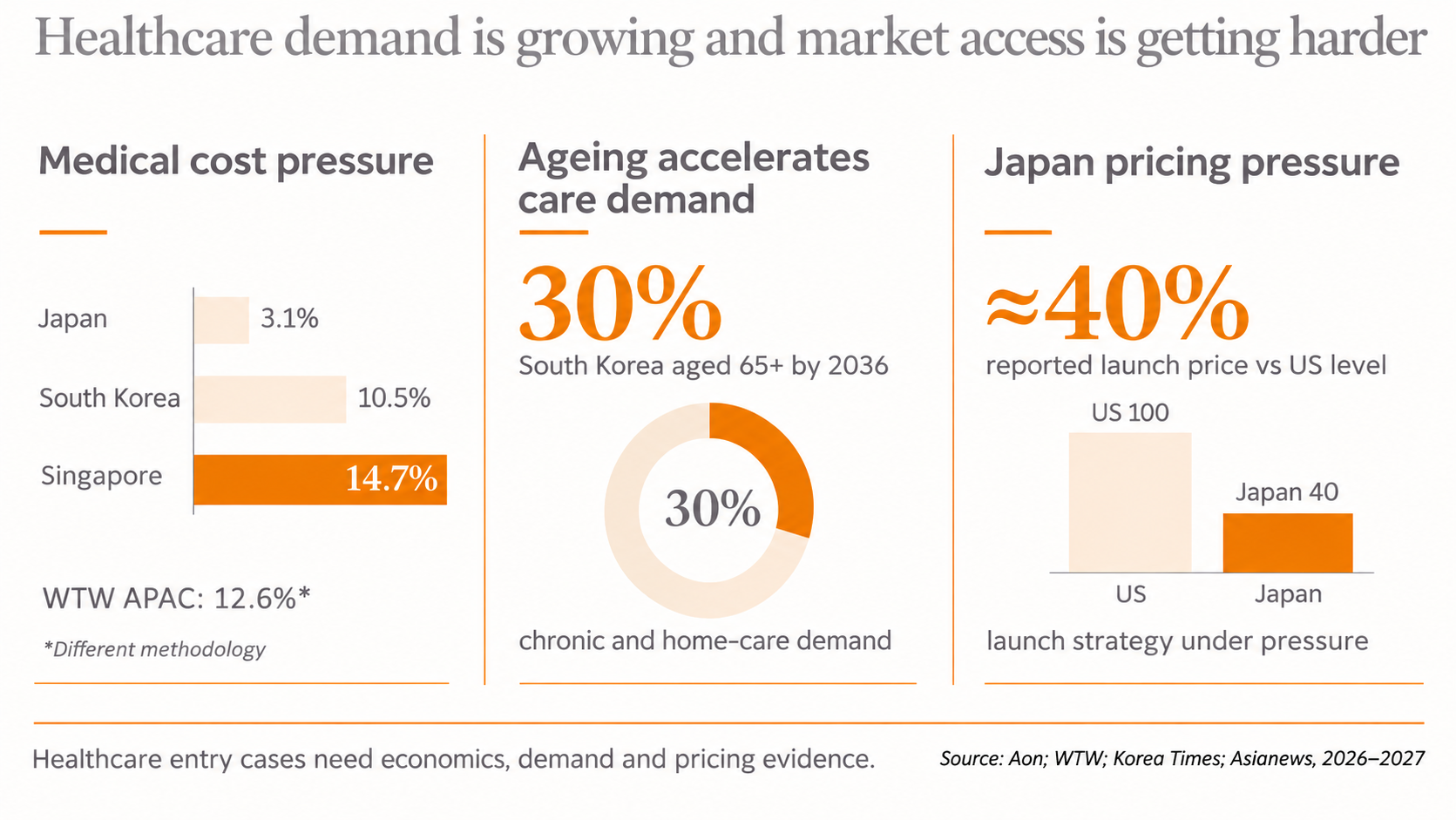
Figure 1: Healthcare demand is growing and market access is getting harder
4. Medical technology growth strengthens local medtech companies
Asia Pacific accounts for approximately 16% of the global medical device market and could reach USD 132 billion by 2030. In South Korea software accounted for 79% of innovative medical devices in 2024. Local companies may serve as technology partners and direct competitors or acquisition targets.
South Korea’s expanding software-based medtech sector is broadening the criteria for local partnerships. International entrants may need to evaluate proprietary technology and hospital relationships alongside traditional distribution capabilities.
5. Digital health investment prioritises healthcare technology infrastructure
According to Galen Growth Asia Pacific digital health recorded around USD 244 million in venture funding in Q1 2026. Strategic and M&A and post-IPO transactions totalled approximately USD 2.65 billion. Medical imaging was a leading venture category. Consumer applications attracted limited funding.
High strategic deal activity highlights the importance of established commercial applications in digital health. For potential acquirers the critical questions are whether healthcare providers use the technology routinely and whether contracts support recurring revenue.
→ See how Arches Custom Research and Consulting supports healthcare market assessments.
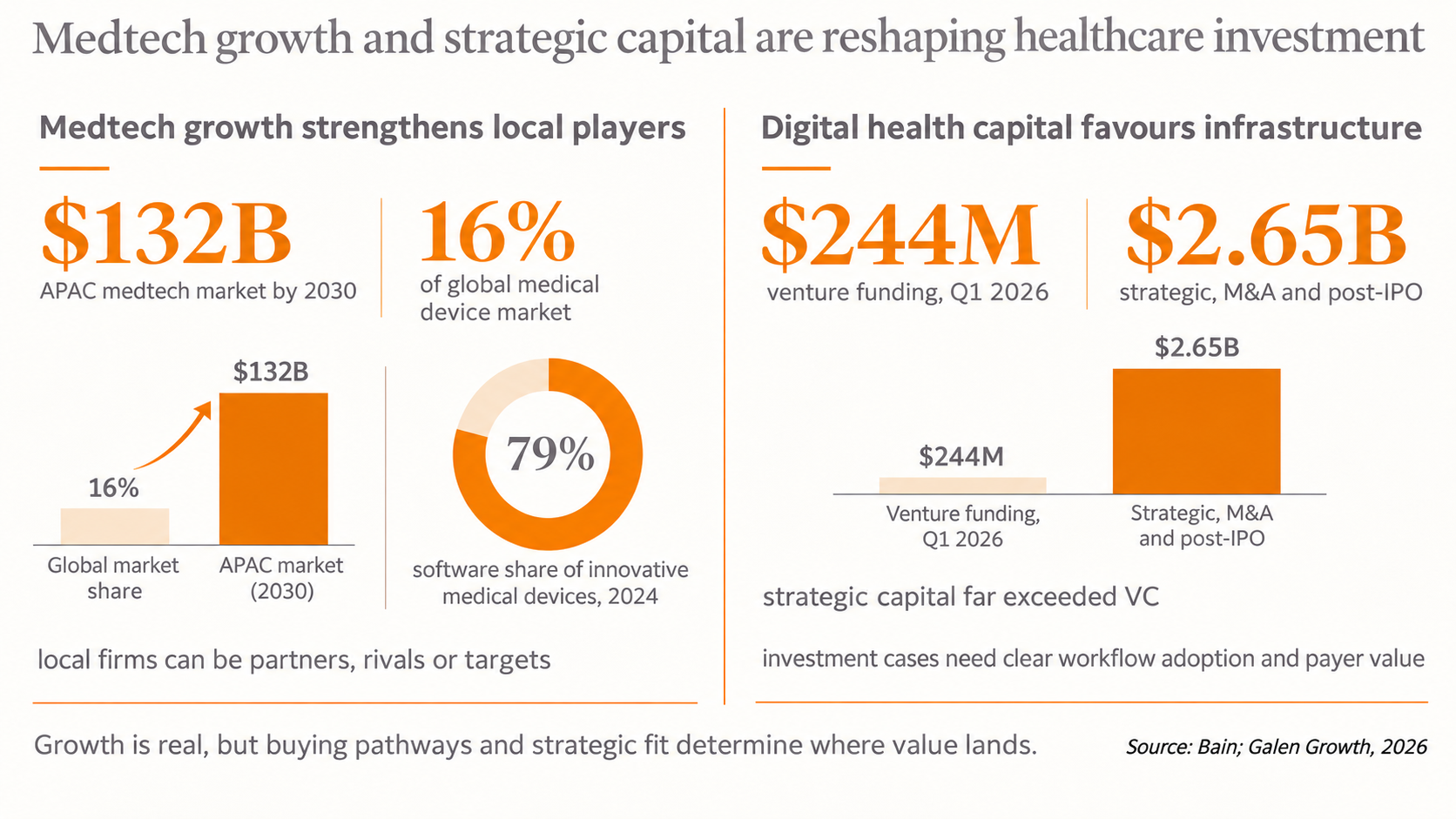
Figure 2: Medtech growth and strategic capital are reshaping healthcare investment
Healthcare sector strategy: what pharma and medtech teams must validate
Each shift requires evidence from the target market. Reimbursement conditions in Japan differ from the buying processes of Singapore insurers and Korean hospitals. Teams must identify who controls budgets and purchasing. Map approval requirements and adoption barriers.
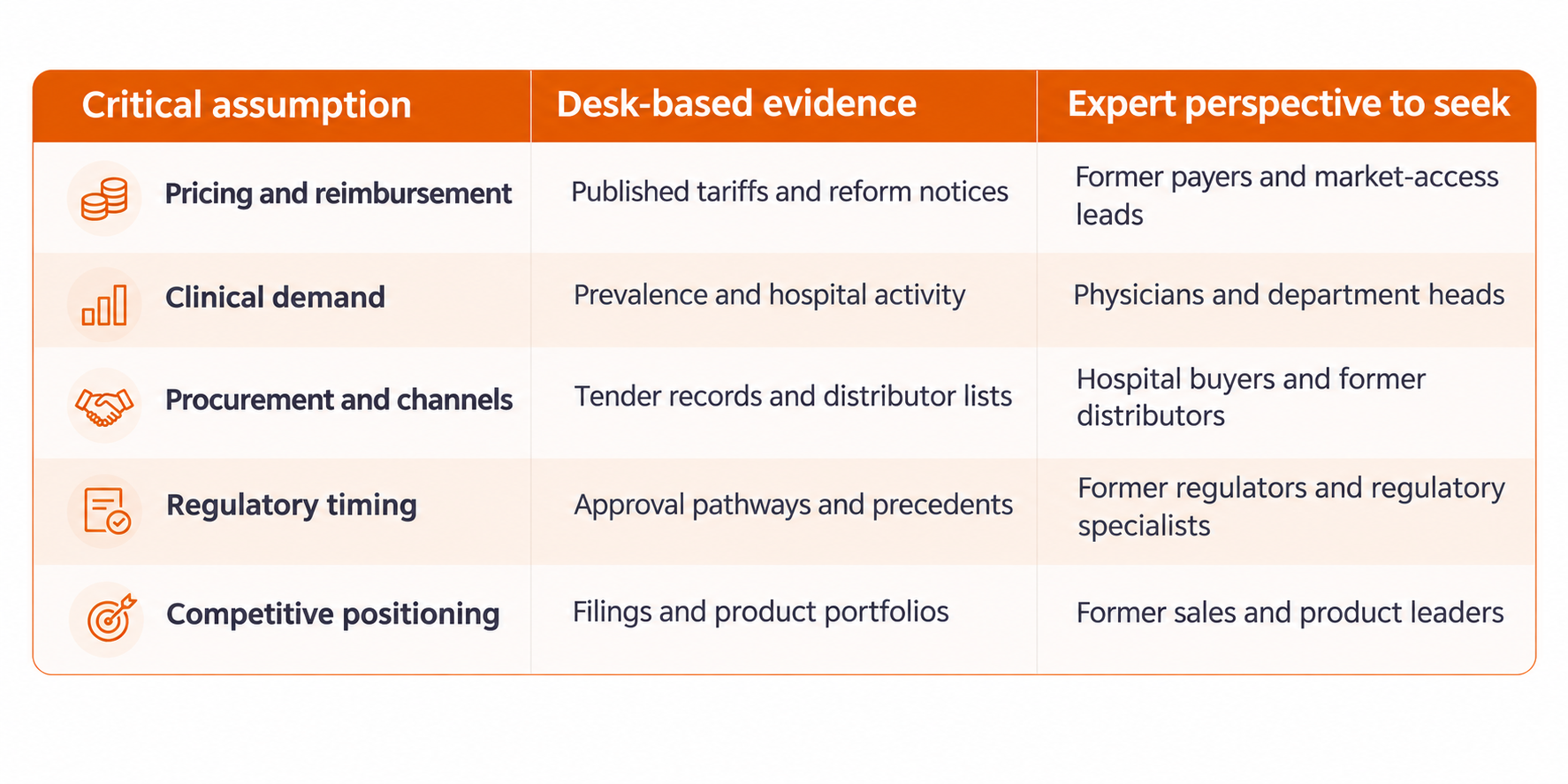
Table 1: Healthcare sector assumptions to validate with experts
A former Japan market-access director can explain how recent pricing changes affect launch sequencing.
→ Learn how expert insights help you understand the healthcare industry and how health consultants drive smarter business decisions.
How expert insights strengthen healthcare sector decisions
Japan’s drug pricing changes and Asia’s evolving hospital procurement practices create market-specific challenges for launch and expansion plans. Arches draws on its network of 200,000+ experts and local market knowledge to identify niche specialists with relevant firsthand experience.
Connect with former market access directors to examine Japan’s launch economics or hospital procurement leaders to assess purchasing barriers. Get targeted insights to support faster market entry and investment decisions.
→ Contact Arches to connect with the right experts for your next healthcare study.
FAQ
What is the outlook for Asia’s healthcare sector in 2027?
Healthcare demand will expand across Asia. Cost containment and ageing-related care needs and reimbursement requirements will shape performance in each market. Commercial success depends on locally validated models.
Which healthcare technologies offer the strongest growth opportunities?
Medical imaging and workflow technologies may attract demand. Home-based care also offers opportunities when providers can show clinical utility and purchasing integration and a viable reimbursement pathway.
Follow Arches on LinkedIn to get the latest updates from us.
Subscribe to Arches’ monthly newsletter for grounded perspectives from experts across Asia and beyond, where global decisions meet local insights.